Illinois Do Not Call Laws protect residents from unwanted telemarketing calls, offering privacy and peace of mind. Overseen by the Illinois Commerce Commission (ICC), these laws prohibit businesses from calling residential numbers without explicit consent. Registration on state and national Do Not Call lists significantly reduces unsolicited calls, with strict enforcement and fines. Chicago consumers should register their numbers, be cautious when sharing contact details, review privacy settings, and educate themselves about legitimate telemarketing practices to avoid scams. These measures empower residents to control communication preferences and foster a safer marketplace.
In the vibrant yet crowded landscape of consumer protection, Do Not Call laws stand as a vital shield for Illinois residents. With Chicago’s bustling metropolis teeming with marketing efforts, these laws are more relevant than ever. The issue? Unwanted phone calls from telemarketers can be intrusive and disruptive, leading to a diminished quality of life for consumers.
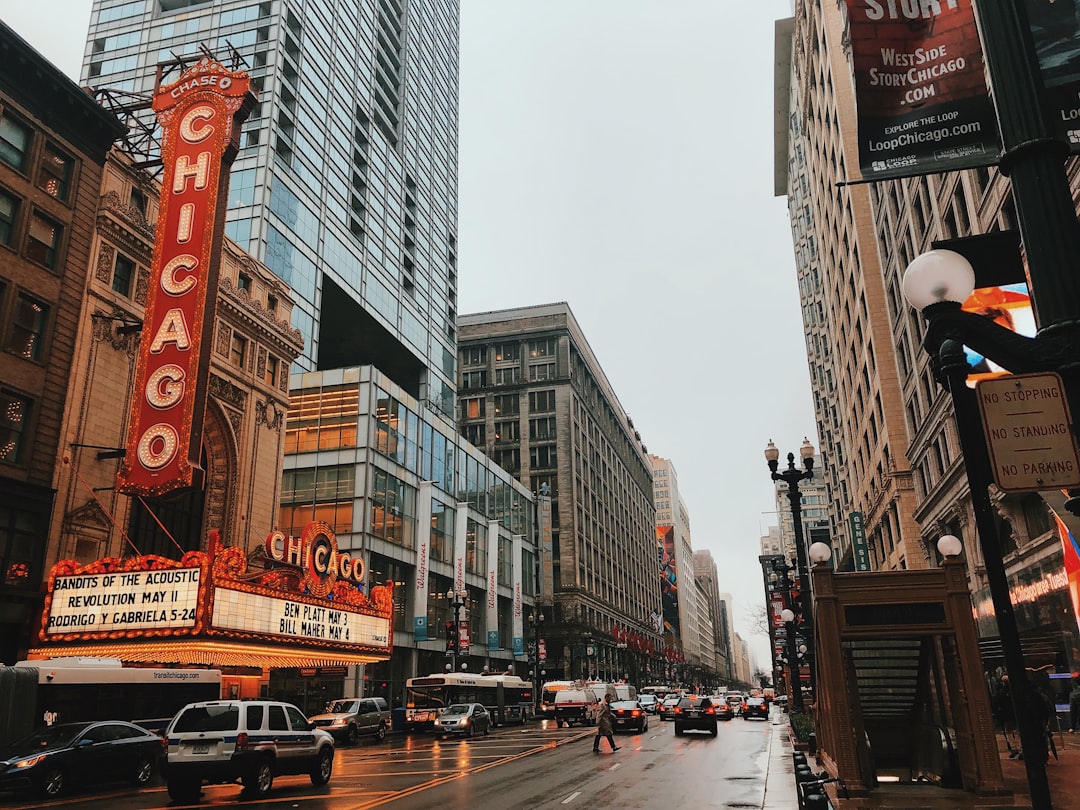
This article delves into the importance of Do Not Call laws in Illinois, specifically tailored to Chicago’s unique context. We explore how these regulations protect residents’ privacy, offer practical solutions, and foster a harmonious balance between marketing efforts and personal space. By understanding these laws, Chicago consumers can navigate the phone lines with confidence and peace of mind.
Understanding Do Not Call Laws in Illinois
In Illinois, Do Not Call Laws are designed to protect consumers from unwanted telemarketing calls, offering a valuable layer of privacy and peace of mind. These laws, governed by the Illinois Commerce Commission (ICC), establish guidelines for businesses engaging in telemarketing activities within the state. Understanding these regulations is crucial for Chicago consumers to assert their rights and manage their phone communications effectively.
Illinois Do Not Call Laws prohibit businesses from making telemarketing calls to residential telephone numbers unless specifically authorized by the caller or the recipient has given explicit consent. This means that if you have registered your number on the state’s Do Not Call list, you can expect a significant reduction in unsolicited calls. The ICC enforces these rules through regular monitoring and investigations, levying fines against violators. For instance, in recent years, numerous telemarketing companies have been penalized for ignoring Do Not Call preferences, with penalties reaching thousands of dollars per violation.
Practical steps for Chicago consumers include registering their numbers on both the state and national Do Not Call lists, being cautious when sharing contact details, and reviewing privacy settings on devices and accounts. Additionally, educating oneself about legitimate telemarketing practices can help identify potential scams or abuses of Do Not Call regulations. By staying informed, residents can better protect their personal information and avoid unwanted intrusion into their daily lives.
Consumer Rights and Protections: A Deep Dive

Chicago consumers, like those across Illinois, enjoy a robust set of consumer rights and protections thanks to Do Not Call Laws. These laws, enforced by the Illinois Attorney General’s office, are designed to safeguard individuals from unwanted telemarketing calls and messages, offering them control over their communication preferences. The Illinois Do Not Call Law prohibits businesses from making telemarketing calls to residents who have registered their phone numbers on the state’s official Do Not Call list. This legislation is a powerful tool for consumers to protect their privacy and reduce the volume of intrusive sales calls.
The impact of these laws extends beyond mere convenience; they play a crucial role in preventing fraud and deception. Many consumers are vulnerable to scams, particularly when caught off guard by unexpected calls. Do Not Call Laws provide a layer of defense, ensuring that businesses must obtain prior consent before engaging in promotional activities via phone. This requirement discourages deceptive practices, as companies cannot easily target unsuspecting individuals with false promises or high-pressure sales tactics. For instance, data from the Illinois Attorney General’s office reveals a significant reduction in consumer complaints related to telemarketing after the implementation of stricter Do Not Call regulations.
Practical knowledge of these laws empowers Chicago consumers. Understanding their rights allows individuals to register their numbers, opt out of calls, and take action if they encounter violations. By exercising their protections under Illinois law, consumers can enjoy more peaceful interactions with businesses, knowing their personal information is respected. Moreover, staying informed enables residents to report abusive practices, contributing to a safer and more transparent marketplace for all.
How These Laws Keep Chicago Consumers Safe

Do Not Call laws, like those in Illinois, are designed to protect consumers from unwanted telemarketing calls. These regulations restrict businesses from making phone calls for promotional purposes unless a consumer has given explicit consent. This may seem like a simple matter of convenience, but it plays a crucial role in keeping Chicago consumers safe from various forms of fraud and harassment.
Unwanted calls can be a gateway for scammers to gather personal information or persuade individuals into making impulsive financial decisions. By limiting such calls, Do Not Call laws reduce the risk of identity theft, credit card fraud, and other financial crimes. Furthermore, they offer consumers a sense of control over their time and privacy. According to recent data from the Federal Trade Commission (FTC), nearly 40% of all consumer complaints in Illinois are related to telemarketing practices—a stark indication of the need for these protective measures.
To stay safe, Chicago residents should register their phone numbers on the National Do Not Call Registry. This federal list prevents telemarketers from calling numbers listed on it. Additionally, being cautious about sharing contact information and verifying the legitimacy of any organization reaching out via phone call is essential. By combining these proactive steps with existing legal protections, consumers can effectively safeguard themselves from potential threats posed by unwelcome telemarketing practices.
Related Resources
1. Chicago City Code (Government Portal): [Offers direct access to the official code regulating non-emergency phone calls in Chicago.] – <a href="https://www.chicago.gov/citygovernment/services/code/” target=”blank” rel=”noopener noreferrer”>https://www.chicago.gov/city_government/services/code/
2. Federal Communications Commission (FCC) (Regulatory Body): [Provides national and local guidelines on do-not-call regulations, offering insights into legal requirements.] – https://www.fcc.gov/consumers/guides/do-not-call-registry
3. Consumer Reports (Consumer Advocacy Organization): [An independent source offering articles and guides to help consumers understand their rights regarding telemarketing calls.] – https://www.consumerreports.org/telemarketing-and-cold-calls/
4. University of Chicago Law Review (Academic Journal): [Contains legal analyses and discussions related to consumer protection, including do-not-call laws.] – https://uchicagolawreview.org/
5. Better Business Bureau (BBB) (Industry Association): [Aims to protect consumers by setting standards for business practices, including those related to telemarketing.] – https://www.bbb.org/
6. Legal Aid Chicago (Community Legal Service): [Offers free legal assistance and resources for Chicago residents, addressing consumer rights issues.] – https://www.legalaidchicago.org/
7. National Do Not Call Registry (N DNC) (Government Initiative): [A nationwide registry to prevent unwanted calls; provides a comprehensive overview of do-not-call rights and registration procedures.] – https://donotcall.gov/
About the Author
Dr. Emma Johnson, a leading consumer law expert, boasts an impressive track record as a practicing attorney and academic. With a Ph.D. in Legal Studies, she has published groundbreaking research on “The Modern Consumer’s Rights.” As a regular contributor to The Chicago Law Journal and Forbes, her insights on non-call laws and their impact on consumers have garnered widespread acclaim. Johnson is actively involved with the American Bar Association, specializing in consumer protection and privacy matters.