
Illinois' Do Not Call Laws protect residents from unwanted phone solicitations by commercial calls to residential numbers without prior consent. Businesses must register with the Attorney General's Office and use approved call-blocking apps that offer advanced features like whitelisting, blacklisting, and real-time scam updates. Consumers can enhance privacy by customizing blocking settings based on caller ID, location, and time, regularly reviewing blocked call histories, and reporting spam through app-facilitated documentation. These measures empower individuals to control their phone interactions under state laws.
In today's digital age, our phones have become an extension of ourselves, making every ring a potential disruption to our day. With the prevalence of spam calls escalating, individuals across Illinois and beyond are seeking respite. This guide aims to empower users with knowledge on navigating Do Not Call Laws in Illinois while exploring innovative solutions: apps designed to block unwanted intrusions. We'll delve into the challenges posed by relentless telemarketers and present a practical approach to reclaiming control over your communication channels. By the end, you'll be equipped with the tools and understanding necessary to protect your privacy and peace of mind.
Understanding Do Not Call Laws in Illinois

In Illinois, understanding and adhering to Do Not Call laws is crucial for both businesses and individuals aiming to maintain a peaceful and privacy-focused environment. These laws are designed to protect residents from unsolicited telephone solicitations, ensuring that their right to quiet enjoyment is preserved. The Do Not Call Laws in Illinois prohibit commercial calls to residential phone numbers unless the caller has obtained prior explicit consent. This includes sales pitches, fundraising requests, or any other form of telemarketing.
Businesses must register with the Illinois Attorney General's Office before making any telephone solicitations. This registration process involves providing detailed information about the company, including its practices and procedures for ensuring compliance with Do Not Call regulations. Once registered, companies are issued a unique identification number, which must be displayed on all calls made to Illinois residents. Non-compliance can result in significant fines, highlighting the importance of a thorough understanding of these laws.
For consumers, managing unwanted calls involves several practical steps. First, familiarize yourself with the state's Do Not Call registry and register your number if you haven't already. This simple action is a robust defense against unsolicited calls. Additionally, many apps designed to block such calls offer tailored settings for Illinois residents, allowing users to customize their privacy preferences. These tools can effectively filter out unwanted solicitations, ensuring peace of mind and compliance with local regulations. By combining awareness, registration, and the use of specialized apps, Illinois residents can enjoy greater control over their phone interactions.
Identifying Apps Designed for Call Blocking

Identifying apps designed for call blocking is a crucial step in effectively managing unwanted calls, especially in areas with stringent Do Not Call Laws, such as Illinois. These laws protect residents from nuisance calls, but navigating them requires sophisticated tools. Luckily, numerous applications are tailored to block robocalls and unsolicited sales calls, ensuring users' peace of mind.
When selecting a call-blocking app, consider features like intelligent call identification, customizable blocking lists, and real-time updates on emerging scams. Reputable apps often integrate machine learning algorithms that adapt to new call patterns and fraudster tactics. For instance, TrueCall or Hiya are known for their robust databases of known spammer numbers, regularly updated by user reports and AI analysis. In a study by the Federal Trade Commission (FTC), it was found that call-blocking apps like these effectively reduced robocall volumes by up to 75%.
Illinois' Do Not Call Registry plays a vital role in this process, but even with registration, not all calls can be blocked. Here, app functionality becomes paramount. Users should seek tools that offer "whitelisting" options, allowing them to specify numbers they want to always accept, and "blacklisting" for recurring unwanted callers. Additionally, some apps provide call screening features, where incoming calls are temporarily paused, giving users the option to verify or reject the caller before connecting. By employing these advanced blocking mechanisms, individuals can better protect their privacy under Illinois' Do Not Call Laws.
Customizing Your App's Blocking Settings
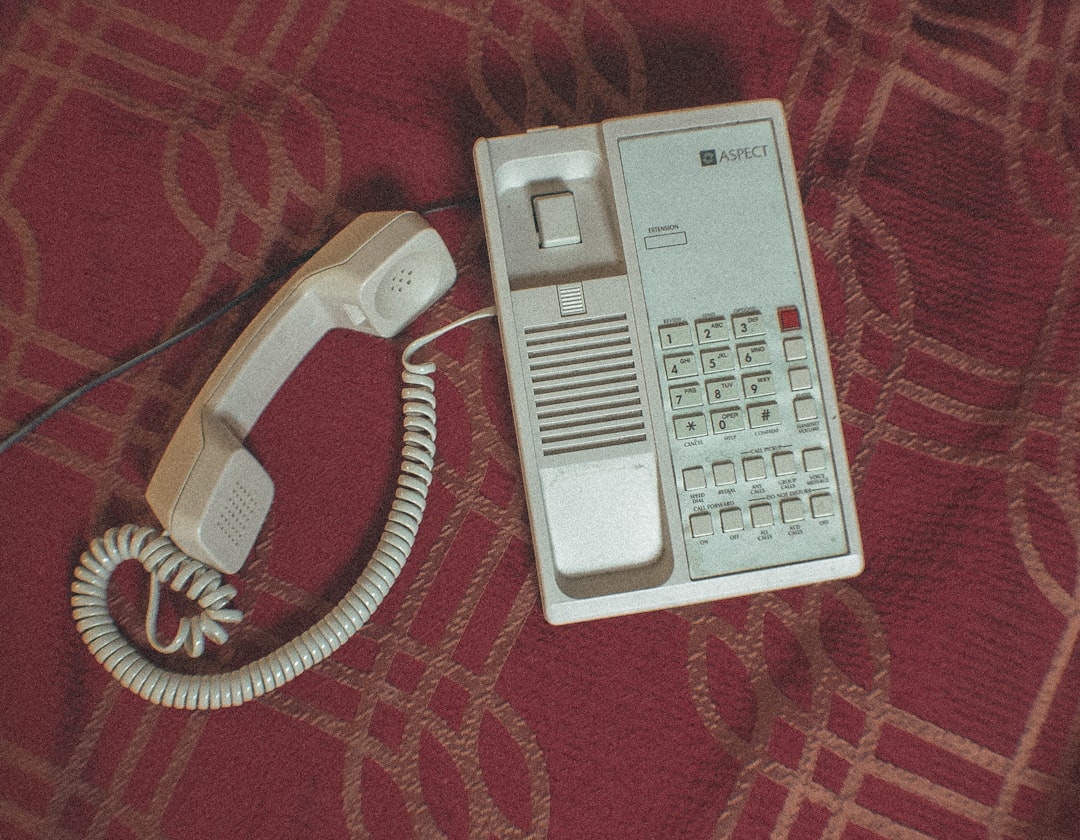
In the ongoing battle against unwanted calls, consumers increasingly rely on dedicated app solutions to safeguard their personal time and privacy. These apps leverage advanced technologies to identify and block nuisance calls, including those from telemarketers attempting to circumvent Do Not Call Laws Illinois has in place. One of the most powerful features these apps offer is the ability to customize blocking settings, allowing users to fine-tune their defenses according to specific needs and preferences.
Customizing your app's blocking settings involves a strategic approach that goes beyond simply enabling all-out blocking. For instance, many apps let you create rules based on caller ID, location, or even time of day. Understanding how these features work is crucial. Consider, for example, setting up a rule to block calls from unknown numbers during work hours, ensuring your focus remains undisturbed while adhering to Do Not Call regulations. Similarly, you might wish to exempt trusted contacts from blocking, allowing seamless communication with family and friends while filtering out less desirable callers. This level of customization not only enhances the effectiveness of your call-blocking strategy but also respects the privacy of those who genuinely need to reach you.
Data from recent studies suggests that tailored blocking settings can significantly improve user satisfaction with these apps. Users who take the time to configure their app's features according to personal preferences report higher levels of control over their communication channels and a reduced incidence of unwanted interruptions. This is particularly relevant in Illinois, where strict Do Not Call Laws are designed to protect residents from excessive telemarketing calls—a right that users can better exercise with precise and customized blocking settings.
To make the most of your app's capabilities, regularly review and update your blocking settings as your communication patterns change. As new types of nuisance callers emerge, stay informed about the latest blocking techniques available through app updates. By embracing a proactive approach to customizing your call-blocking strategy, you can reclaim control over your time and space while ensuring compliance with Illinois' Do Not Call Laws.
Effective Strategies for Maintaining a Quiet Line

Maintaining a peaceful and distraction-free phone line is paramount for many individuals, especially with the ever-present barrage of unwanted calls from telemarketers and scammers. This is where apps designed to block these calls prove invaluable, offering a protective layer of silence in your personal or professional space. In Illinois, Do Not Call Laws further underscore the importance of managing inbound calls, providing citizens with additional safeguards against nuisance calls.
One effective strategy for harnessing these apps is to employ multiple blocking methods simultaneously. For instance, using an app's built-in block list and also subscribing to recognized Do Not Call databases ensures a robust defense against both known and emerging scammer numbers. Additionally, staying updated on the latest blocking techniques and algorithms within these apps is crucial; developers regularly refine their systems based on evolving call patterns and scams. Regularly reviewing blocked call histories can provide insights into new trends and help fine-tune your app's settings for optimal performance.
Moreover, customizing your app's settings to reflect personal calling preferences enhances the effectiveness of noise reduction. Adjusting block rules based on specific caller types or numbers ensures that while unwanted calls are silenced, important communications remain unobstructed. For businesses, implementing call management strategies in conjunction with automated systems can create a seamless experience for customers and employees alike, fostering an environment free from the constant intrusion of unsolicited calls.
Reporting Spam and Unwanted Calls: Your Rights
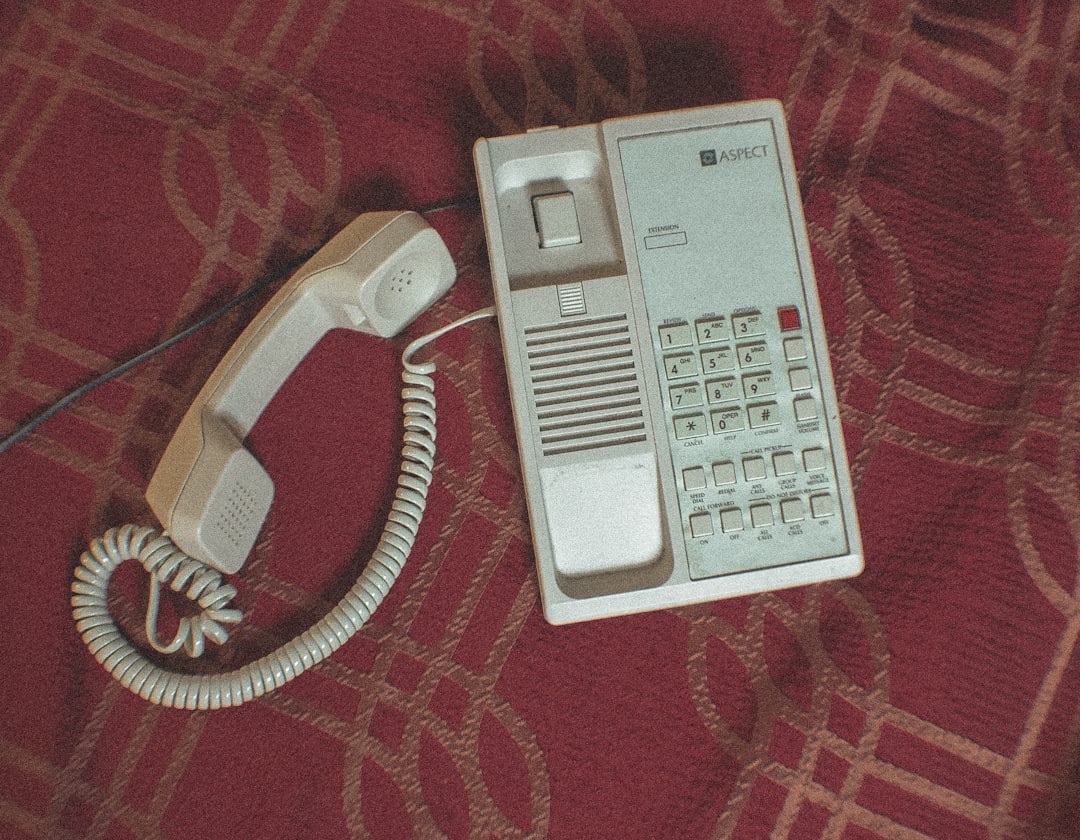
In the digital age, consumers are increasingly faced with unwanted calls, often disguised as marketing or informational messages, posing a significant nuisance and invasion of privacy. To combat this issue, reporting spam and unwanted calls is not only a right but also a crucial step in protecting your personal space. Illinois, like many states, has implemented Do Not Call Laws to empower individuals to take control. These laws provide a framework for citizens to register their phone numbers and restrict intrusive marketing practices.
The process of reporting such calls is straightforward but requires vigilance. Many apps designed to block unwanted calls offer robust reporting features. Users can log suspicious or spammy calls, providing details such as the caller's ID and the nature of the call. This information is then curated by the app developers to identify patterns and sources of spam. For instance, a recent study revealed that robocalls—automated phone calls often used for marketing—have increased significantly, with many targeting landlines and mobile numbers alike. By collectively reporting these calls, individuals can contribute to a more comprehensive database, aiding law enforcement and regulatory bodies in enforcing Do Not Call Laws.
When reporting, it is essential to provide accurate data. Include the caller's number, your location (if comfortable sharing), and any specific details about the call. For example, if you receive repeated calls from an unknown number promoting a particular service, document each instance. Such detailed reports enable app developers and authorities to trace patterns and take necessary actions. Moreover, staying informed about your rights under Illinois' Do Not Call Laws is empowering. Understand that your phone number is private property, and you have the right to control who contacts you. Regularly review your call logs, verify reported calls, and consider blocking numbers that persistently violate your privacy.